July 12, 2026
The "Liquid Filler" Trend: Does Volufiline Actually Work?
TikTok is calling it filler in a bottle. Dermatologists are urging caution. We cut through the noise on Volufiline — the plant-based plumping ingredient taking over our winter skincare feeds.
Author
Nicola Ellis
Nicola Ellis is the founder and editor of The Beauty Directive and has spent more than 35 years exploring the world of beauty. A lifelong beauty enthusiast and self-confessed product devotee, Nicola has spent decades discovering and comparing skincare, makeup, beauty tools and cult-favourite products from around the world. From luxury icons to affordable beauty finds, she is constantly searching for products that genuinely deliver on their promises.
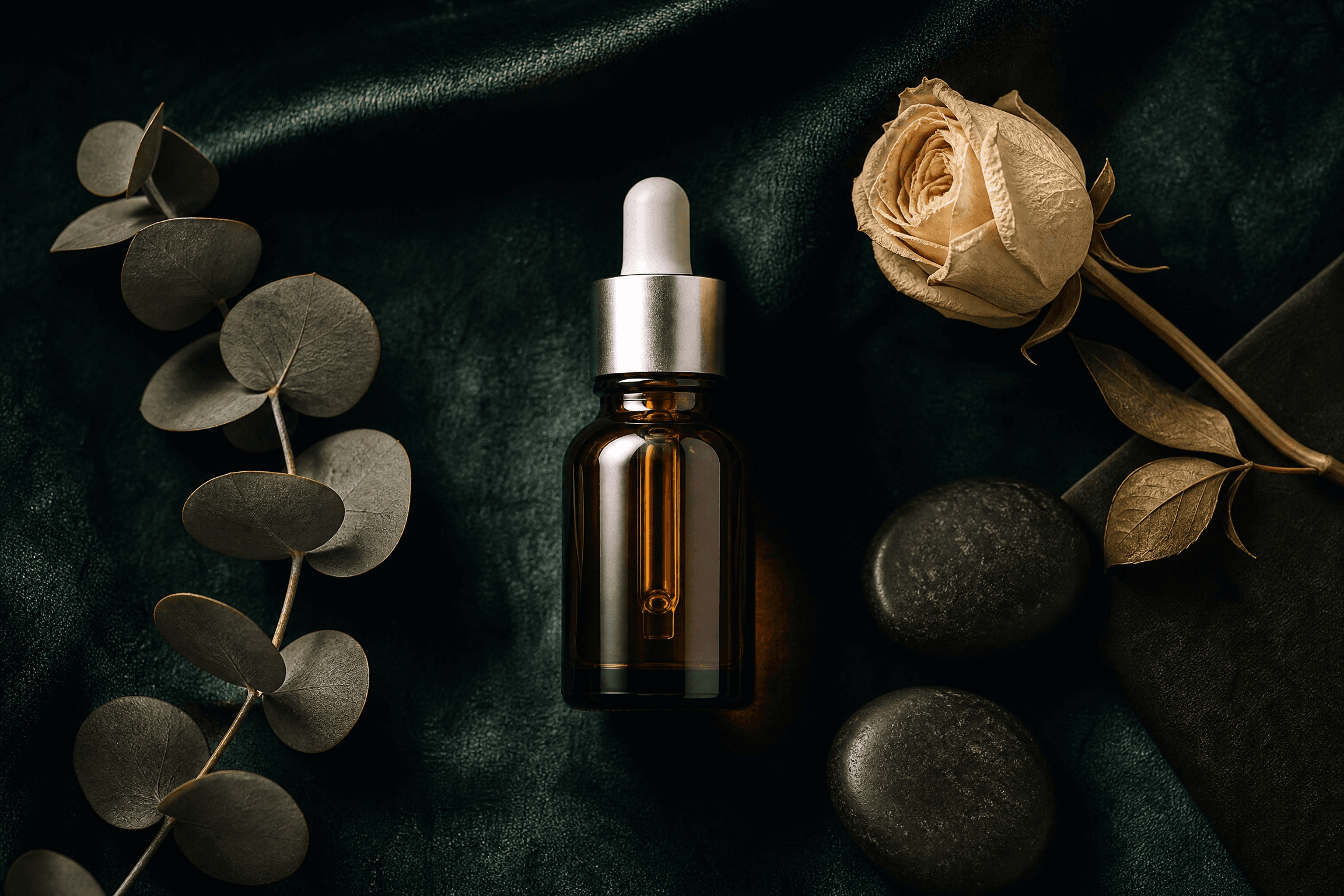
If your TikTok For You Page looks anything like ours, you've probably seen the phrase "filler in a bottle" floating around. The ingredient causing all the commotion? Volufiline.
As we hit the peak of the Australian winter, a time when our skin can feel deflated, dry, and distinctly lacking in bounce, it's no wonder we are searching for ways to restore volume without resorting to needles. But can a topical serum really mimic the effects of dermal fillers? We looked into the science, the hype, and what dermatologists are actually saying about this trending ingredient.
What is Volufiline?
Volufiline is a trademarked, plant-based compound created by the French cosmetics company Sederma. It is a blend of hydrogenated polyisobutene and anemarrhena asphodeloides root extract.
The active compound in the anemarrhena root, called sarsasapogenin, is the star of the show. Unlike hyaluronic acid, which temporarily plumps the skin by drawing in water, Volufiline claims to work on a deeper level. The theory is that it encourages the fat cells (adipocytes) sitting just beneath the skin to hold onto more lipids (fat), thereby increasing their volume.
In the beauty world, this process is often referred to as "lipofilling." By plumping up the fat cells, the overlying skin appears fuller, smoother, and more youthful. It is most commonly applied to areas prone to hollowing or volume loss, such as the under-eyes, smile lines (nasolabial folds), cheeks, and even lips.
The Dermatologist Verdict: Hype vs. Reality
So, does it actually replace a trip to your aesthetician? The short answer is no.
While the concept of topical fat-plumping is highly desirable, dermatologists urge consumers to temper their expectations. According to New York City board-certified dermatologist Dr. Anna Karp, Volufiline can provide subtle, gradual enhancement, but it will not restructure your face the way injectable fillers do.
"There is almost no independent research on how it really works," notes Dr. Andrew Park, a board-certified dermatologist. "Even if the claims of Volufiline are verifiable, it would have minimal to no effect in facial restructuring, the way filler can do."
Furthermore, Dr. Jessica Weiser points out that the existing clinical data on Volufiline is extremely limited. "Estimated increases in volume range from 2 to 8 percent, which can be imperceptible or only mildly plumping," she explains.
How to Use It (and Where to Find It in Australia)
If you are dealing with winter-induced hollowness and want to give Volufiline a try, consistency is key. Experts recommend using it daily for at least 4 to 8 weeks to see any noticeable softening of lines.
Because it is an active ingredient meant for targeted areas, you do not apply it all over your face. Instead, tap a small amount precisely where you want a little extra volume.
The Bottom Line
If you are expecting Volufiline to erase deep nasolabial folds or give you a plump pout overnight, you will be disappointed. However, if you are looking for a hydrating, barrier-supporting serum that might offer a subtle, gradual softening of fine lines and a slight plumping effect over time, it is a worthy addition to your winter skincare arsenal. Just think of it as a maintenance tool, rather than a miracle cure.
Related articles