July 17, 2026
"Ozempic Face" Is Real, but It’s Not Just About Losing Volume
Rapid weight loss is changing the way our faces age. But before you panic-buy a firming serum, here is what is actually happening to your skin, and what the medical literature says actually works to fix it.
Author
Nicola Ellis
Nicola Ellis is the founder and editor of The Beauty Directive and has spent more than 35 years exploring the world of beauty. A lifelong beauty enthusiast and self-confessed product devotee, Nicola has spent decades discovering and comparing skincare, makeup, beauty tools and cult-favourite products from around the world. From luxury icons to affordable beauty finds, she is constantly searching for products that genuinely deliver on their promises.
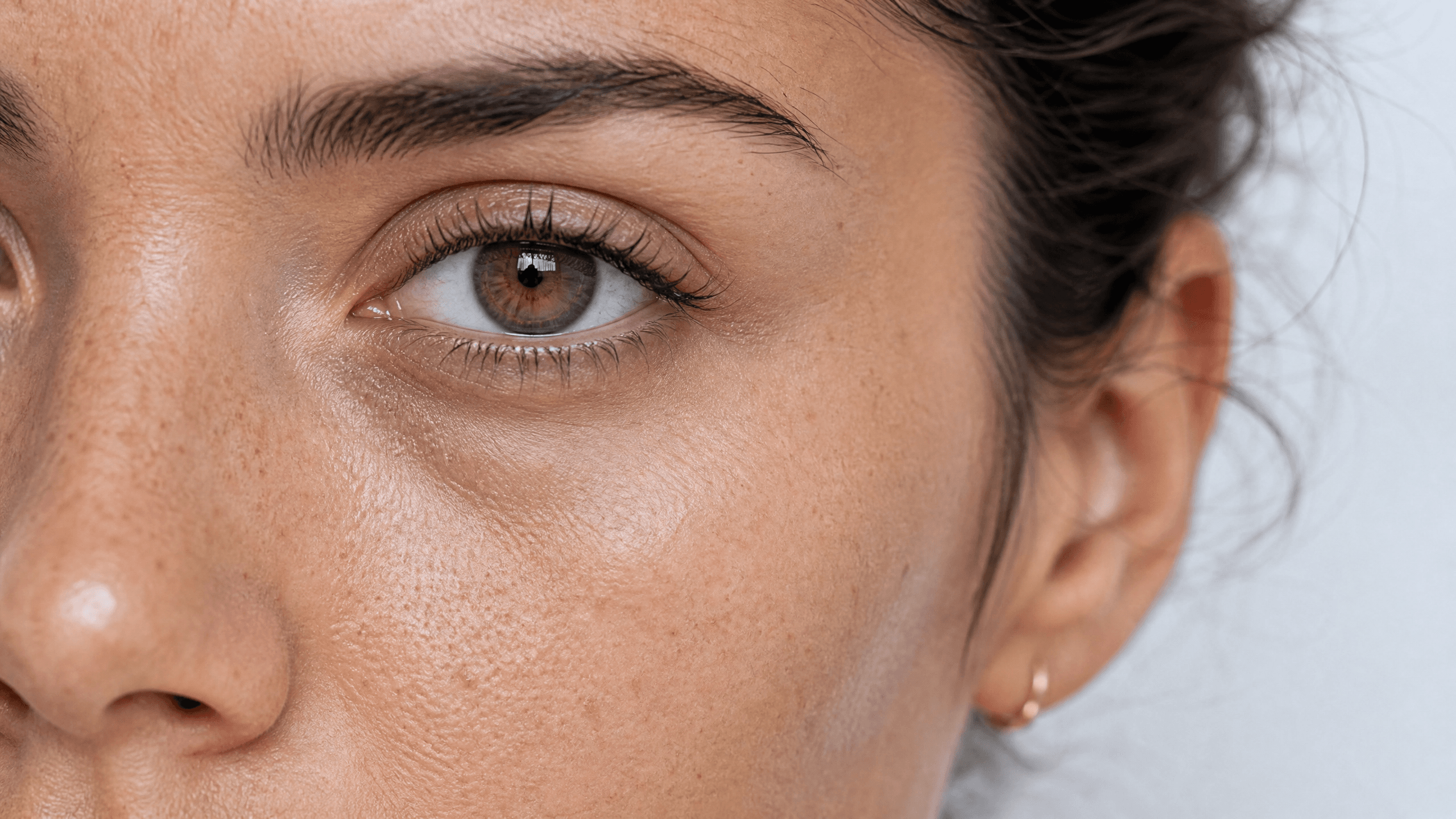
The numbers are staggering. Right now, over half a million Australians are taking GLP-1 receptor agonists like Ozempic and Wegovy every month. While these medications are transforming how we manage weight and metabolic health, they are also introducing a new aesthetic challenge that is keeping dermatologists very busy: rapid facial aging, or what the internet has relentlessly dubbed "Ozempic face." If you scroll through TikTok, you will see endless videos of people discussing how their face suddenly looks deflated, gaunt, or older after significant weight loss. The beauty industry, never one to miss a marketing opportunity, has already started launching "GLP-1 specific" skincare lines promising to lift, firm, and reverse the damage. But a recent paper published in the Journal of Clinical and Aesthetic Dermatology suggests the reality is much more complex. Facial aging from rapid weight loss is not just about losing volume, it is about losing the regenerative power of facial fat. And treating it requires a completely different approach.
What is actually happening to the skin?
When you lose a significant amount of weight quickly, you do not just lose fat from your body; you lose it from your face. But facial fat is not just a passive cushion that keeps your cheeks looking plump. As the Journal of Clinical and Aesthetic Dermatology review highlights, facial fat is an active, regenerative organ. It secretes growth factors and signals to fibroblasts (the cells that make collagen and elastin) to keep working. When you lose that fat rapidly, you lose both structural support and the biological processes that keep skin looking youthful and resilient. The clinical result is often temporal hollowing (sunken temples), flattening of the cheeks, deepening of the nasolabial folds (smile lines), and increased skin laxity around the jaw and neck. It is the facial equivalent of letting the air out of a balloon very quickly, the structure deflates, and the skin struggles to snap back. However, it is not all bad news for the skin. The same medications that cause volume loss also improve metabolic health. Better blood sugar control actually reduces the formation of advanced glycation end products (AGEs), which are known to degrade collagen. So while the face may look older structurally, the actual quality of the skin tissue might be improving.
Can topical skincare really fix it?
The short answer is no. A topical serum cannot replace lost facial fat. We are currently seeing a wave of new skincare products specifically marketed to GLP-1 users, claiming to combat "Ozempic face" with ingredients like peptides, hyaluronic acid, and collagen-boosting botanicals. While these are excellent ingredients for general skin health, they cannot restore structural volume. "No matter what you do on a skincare level, if you have volume loss and tissue laxity, you will always have less-than-great-quality skin," notes one Beverly Hills plastic surgeon. That said, a targeted skincare routine is still crucial, especially during the active weight loss phase. Because the skin is losing its underlying support network, it needs all the help it can get to maintain elasticity and hydration. If you are on a GLP-1 medication, your winter skincare routine should focus heavily on barrier support and collagen stimulation, utilising ingredients like peptides, PDRN, ceramides, and retinoids.
The regenerative approach
If skincare cannot fix volume loss, what can? According to the medical literature, the answer lies in regenerative aesthetics — treatments that do not just fill the space, but actually restore the tissue's function. During the active weight loss phase, the focus should be on skin tightening and collagen stimulation using energy-based devices like radiofrequency microneedling or microfocused ultrasound. The goal here is to encourage the skin to contract as the volume decreases, preventing severe laxity. Once weight has stabilised, the gold standard treatment is fat grafting. By transferring fat (often broken down into microfat and nanofat) back into the face, doctors are not just restoring volume; they are reintroducing adipose-derived stem cells that help regenerate the skin from the inside out. For those looking for non-surgical options, biostimulatory injectables like Calcium Hydroxyapatite (Radiesse) or Poly-L-lactic acid (Sculptra) are highly effective. Unlike traditional hyaluronic acid fillers that simply occupy space, biostimulators trigger the body's own collagen and elastin production, creating a more structural, long-lasting improvement.
The Beauty Directive verdict
"Ozempic face" is a catchy term for a very real biological process. Rapid weight loss depletes the facial fat that keeps our skin structurally supported and biologically active. While the new wave of GLP-1 specific skincare might be a clever marketing pivot, the ingredients they champion are genuinely useful for supporting skin elasticity during weight loss. Just do not expect them to replace lost volume. If you are navigating rapid weight loss this winter, keep your skincare focused on hydration and collagen support. But for true structural restoration, you will need to look beyond the bathroom cabinet and into the clinic, focusing on regenerative treatments that rebuild the skin's foundation.
Related articles